
The Complete Guide to Planning a Successful Corporate Event in the Philippines
February 11, 2026
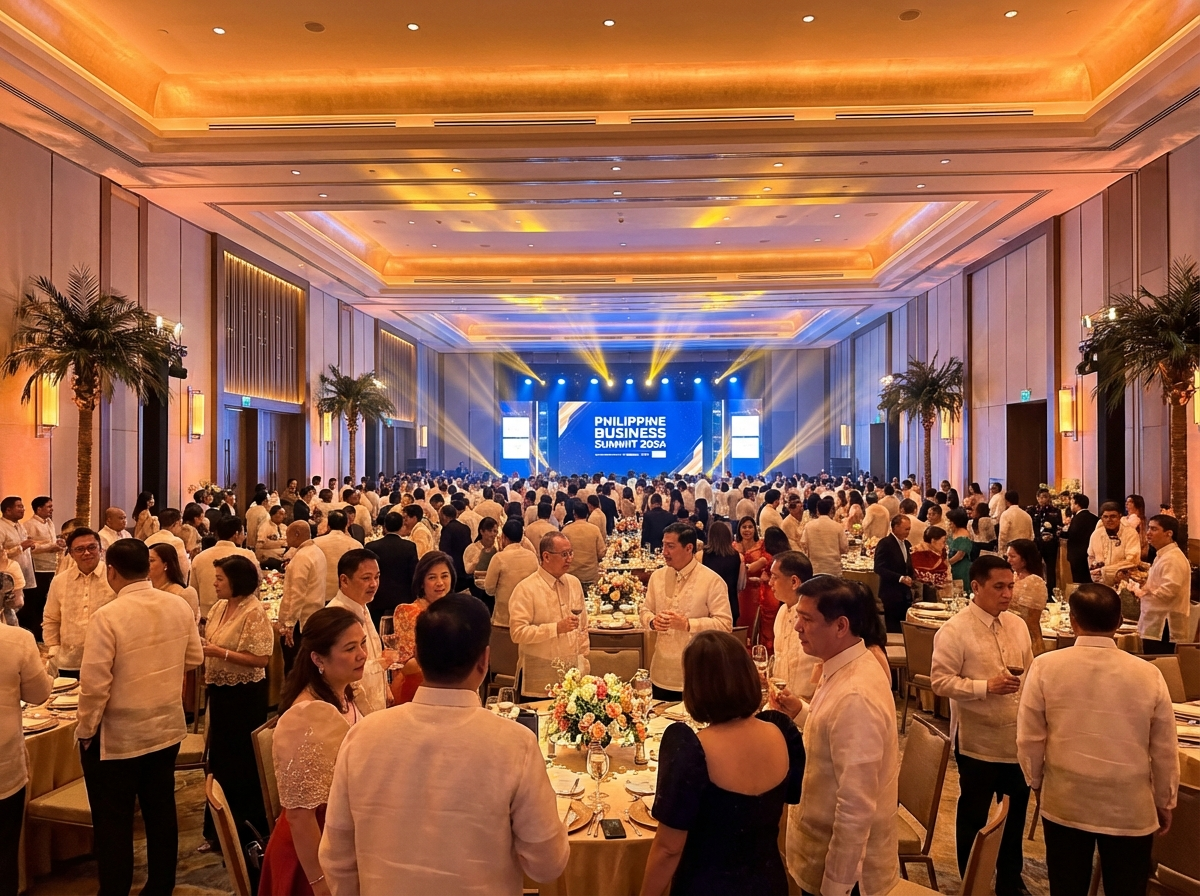
Planning a corporate event in the Philippines requires careful coordination, cultural awareness, and attention to detail. Whether you're organizing an annual conference, product launch, team building retreat, or awards gala, this comprehensive guide will help you execute a flawless event.
Types of Corporate Events
Before diving into planning, identify which type of event best suits your objectives:
- Conferences & Seminars: Educational events for knowledge sharing
- Product Launches: Introducing new products or services
- Team Building Events: Activities to strengthen team bonds
- Awards & Recognition Galas: Celebrating achievements
- Annual General Meetings: Shareholder and stakeholder gatherings
- Company Anniversaries: Milestone celebrations
- Holiday Parties: Year-end celebrations and Christmas parties
- Training Programs: Skill development sessions
Step 1: Define Your Objectives
Every successful event starts with clear objectives. Ask yourself:
- What is the primary purpose of this event?
- What outcomes do we want to achieve?
- How will we measure success?
- Who is our target audience?
- What message do we want attendees to take away?
Step 2: Set Your Budget
A realistic budget is crucial. Here's a typical breakdown for corporate events:
- Venue (25-35%): Rental, setup, and technical equipment
- Food & Beverage (25-30%): Catering, drinks, snacks
- Production (15-20%): Audio-visual, lighting, staging
- Entertainment (10-15%): Speakers, performers, activities
- Marketing (5-10%): Invitations, signage, materials
- Contingency (10%): Unexpected expenses
Step 3: Choose the Perfect Venue
The Philippines offers diverse venue options:
Metro Manila
- Hotels: Shangri-La, Marriott, Sofitel, Conrad, Okada
- Convention Centers: SMX, PICC, World Trade Center
- Unique Venues: Museums, rooftops, heritage houses
Outside Manila
- Tagaytay: Cool climate, scenic views
- Batangas: Beach resorts with conference facilities
- Subic/Clark: Adventure and MICE facilities
- Cebu: World-class resorts and convention centers
Step 4: Create a Timeline
Plan backwards from your event date:
- 6-12 months before: Set objectives, budget, book venue
- 4-6 months before: Finalize theme, hire vendors, send save-the-dates
- 2-3 months before: Confirm speakers, finalize menu, send invitations
- 1 month before: Final headcount, confirm all details, prepare materials
- 1 week before: Final walkthrough, brief team, prepare contingencies
- Day of event: Setup, execution, real-time problem solving
Step 5: Coordinate Vendors
Key vendors to consider:
- Catering: Menu planning, dietary restrictions, service style
- Audio-Visual: Sound system, projectors, screens, lighting
- Photography/Videography: Event documentation
- Entertainment: Bands, DJs, hosts, performers
- Decor & Florals: Theme execution, centerpieces, staging
- Transportation: Shuttle services, parking coordination
Step 6: Engage Your Attendees
Keep attendees engaged with:
- Interactive sessions and Q&As
- Networking opportunities
- Live polling and audience participation
- Photo booths and social media walls
- Giveaways and raffles
- Entertainment breaks
Filipino Cultural Considerations
When planning events in the Philippines, keep in mind:
- Filipino Time: Build buffer time into your schedule
- Food is Central: Never underestimate catering quality and quantity
- Entertainment Expected: Filipinos love performances and games
- Recognition Matters: Public acknowledgment is highly valued
- Family-Oriented: Consider plus-ones for major celebrations
- Religious Sensitivity: Be mindful of religious holidays and practices
Common Mistakes to Avoid
- Underestimating the budget
- Not having a backup plan for weather
- Overcomplicating the program
- Ignoring dietary restrictions
- Poor sound and lighting setup
- Inadequate parking or transportation
- Not doing a venue walkthrough
- Forgetting post-event follow-up
Measuring Event Success
Track these metrics to evaluate your event:
- Attendance rate vs. registrations
- Attendee satisfaction surveys
- Social media engagement and mentions
- Lead generation (for product launches)
- Media coverage
- Budget adherence
- Achievement of stated objectives
Need Help Planning Your Corporate Event?
Our experienced team handles everything from venue selection to on-site coordination. Let us create a memorable event for your organization.
Get a Free ConsultationEnjoyed this article? Share it with your network: